

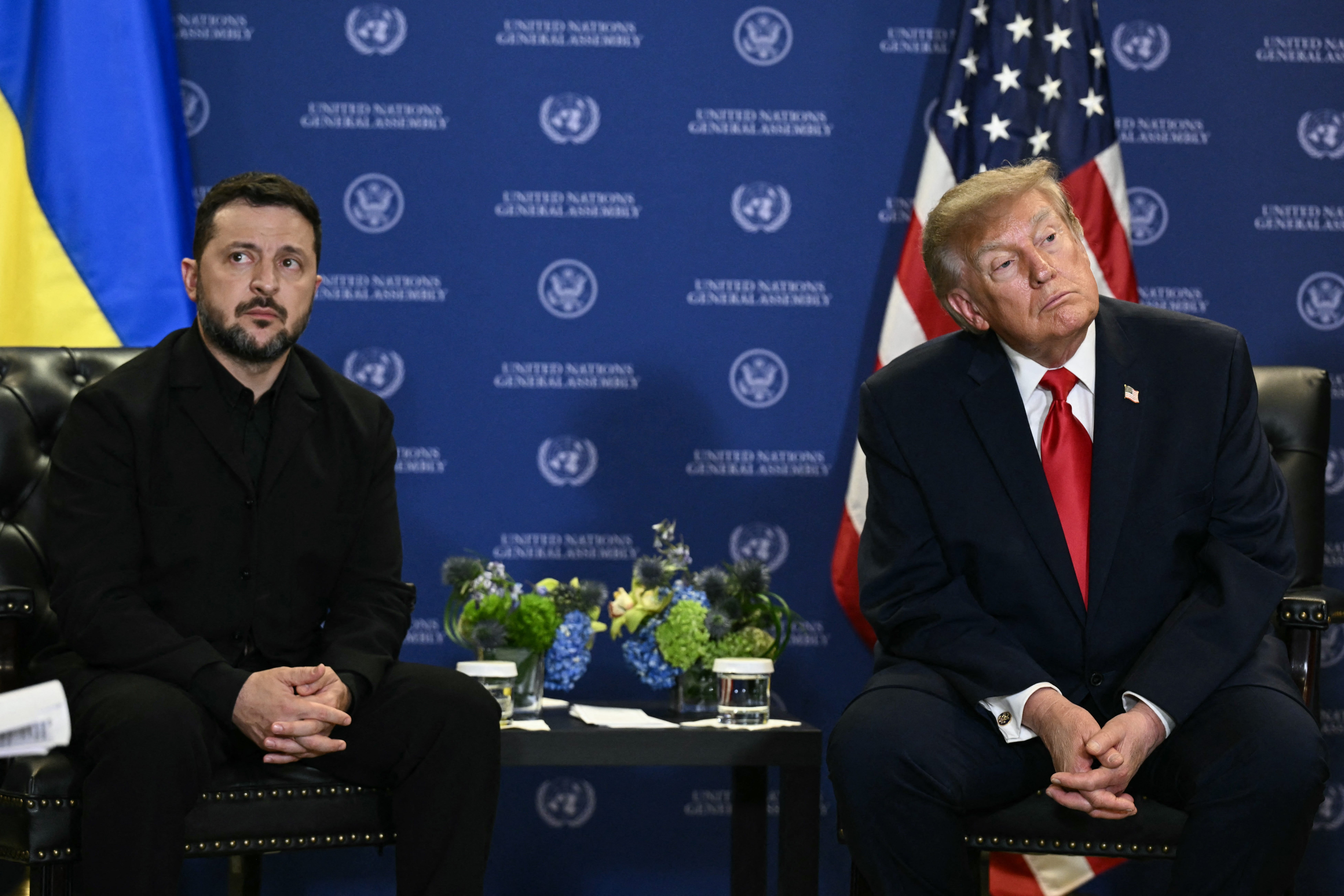
In May 2014, weeks after welcoming the ouster of Ukraine’s democratically elected president in the Maidan uprising, one of Washington’s most influential policymakers confidently predicted that a similar fate awaited Moscow.
“Unless Putin changes course, at some point in the not-too-distant future, the current nationalistic fever will break in Russia,” Victoria Nuland told the Senate Foreign Relations Committee:
When it does, it will give way to a sweaty and harsh realization of the economic costs. Then, if they are free enough to think for themselves, Russia’s citizens will ask: What have we really achieved? Instead of funding schools, hospitals, science and prosperity at home in Russia, we have squandered our national wealth on adventurism, interventionism and the ambitions of a leader who cares more about empire than his own citizens.
For Nuland and allied war hawks, interventionism in Ukraine was the primary means to impose costs on Russia. By helping to install a pro-NATO government and encouraging a civil war with Russia-aligned Ukrainians in the Donbas, Washington drew Moscow into a protracted conflict that culminated in the February 2022 invasion. On the day the “special military operation” began, President Biden reiterated the goal laid out by Nuland. Imposing financial pain, Biden said, will ensure that “the people of Russia know what he [Putin] has brought on them. That is what this is all about.”
As the full-scale phase of the Russia-Ukraine war approaches its fifth anniversary, it is safe to declare that the Biden-Nuland gambit has failed.
