

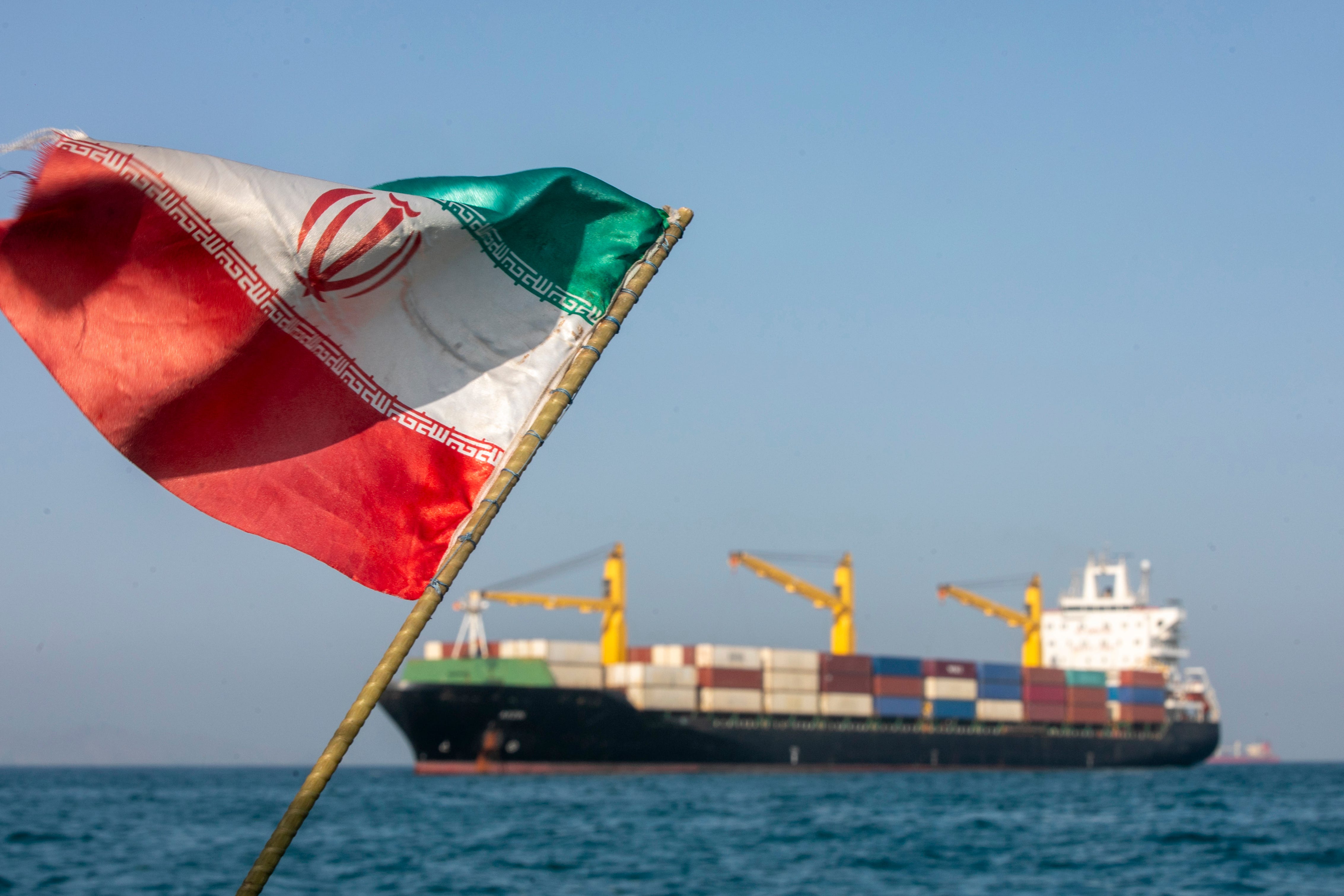
The US and Iran have declared a halt to military hostilities, at least for the time being, in the war of aggression that Donald Trump launched alongside Israel more than three months ago. Their tentative agreement stands to restore the status quo ante but do little else. Along with an end to the US-Israeli bombing campaign, Iran will reopen the Strait of Hormuz, and Trump will cease his blockade of Iranian waters. If Iran receives anything from the US in the short term, it will likely be a token amount of the tens of billions of dollars in stolen assets, as well as limited sanctions relief on the export of Iranian oil and petrochemicals.
The main issues for both countries — Iran’s nuclear enrichment program and crippling US sanctions on Iran’s economy — will be deferred to follow-up talks. It is there that Trump will remain constrained by Washington’s hawkish agenda since the Iranian Revolution of 1979, and that Trump escalated since first taking office. Trump went to war in February even though Iran had agreed to harsher restrictions on its nuclear enrichment program than under the JCPOA that Trump tore up. Just because Trump failed to overthrow Iran’s government, it does not mean that he will suddenly turn around and respect its sovereignty. That would force him not only to end a war, but to end a decades-old regime change and destabilization campaign that has the support of both major political party establishments and a powerful Israel lobby.
In a pair of media appearances today, Vice President JD Vance inadvertently exposed the hardline stance that will prevent a lasting peace. Speaking to CBS News, Vance tied the “unsanctioning” of Iran’s economy solely to Tehran making “long-term commitments on the nuclear program.” Yet in an interview with ABC News, Vance named a second condition: that Iran “stop funding terrorist activities all over the Middle East.” This would mean Iran abandoning its regional allies, or “proxies” in establishment parlance. But this is a non-starter for Tehran, which is ideologically committed to resisting US-Israeli control of the region and has a defense strategy that, in the absence of a nuclear deterrent, relies on a network of “forward defense.”
Iran’s commitment to its allies is why Israel bombed Lebanon just as the deal was being finalized, to provoke Iran into derailing it. Trump publicly lashed out at Israeli Prime Minister Benjamin Netanyahu and told him to “stand down.” But in the absence of a lasting peace deal that respects Iranian sovereignty, not to mention the Palestinian self-determination that Iran and Hezbollah are targeted for championing, Israel will have ample opportunities to continue acting as a spoiler. It has already refused to withdraw from Lebanon, despite Iran’s insistence on ending that conflict as part of any deal. Israel’s security doctrine, Defense Minister Israel Katz explained, “strive[s] for decisive outcomes rather than compromises and concessions.” In other words, Israel is structurally averse to diplomacy.
In his memoir, veteran US diplomat Zalmay Khalilzad recounts a flare-up while serving in the Reagan White House that could just as well apply today. At the time, Iran had reached a ceasefire with the US-backed Iraqi president Saddam Hussein, ending a devastating eight-year war. To open a new era in US-Iran relations, Khalilzad proposed that the US lift sanctions on Tehran. His superiors disagreed. At a meeting of top officials, Secretary of State George Shultz chided Khalilzad with a stern message: “Zal, this makes great geopolitical sense but no political sense.”
Nearly four decades later, an effort by Trump to reach a similar accommodation with Iran would make infinitely more geopolitical and political sense. With its leverage over the global economy via the Strait of Hormuz and ability to inflict damage on US military assets, Iran can impose costs on Washington. In this round of US-initiated violence, that deterrent capability led to a US strategic defeat. Heading into the midterms, Trump could still pay a political price for the economic damage that his failed war caused for everyday voters, and his open indifference to their hardship.
What makes both geopolitical and political sense matters little to a bipartisan Beltway establishment committed to US-Israeli dominance in West Asia. Trump’s predecessor, Joe Biden, not only backed Israel’s mass murder campaign in Gaza but refused to even re-enter the JCPOA negotiated by the administration in which he served as Vice President.
Before this temporary deal, Trump stalled for weeks and repeatedly reneged on terms that he had agreed to, including on the return of stolen Iranian assets. He was presumably hoping that Iran’s economy would collapse under the weight of his blockade and crippling sanctions. While that gambit has failed for now, a temporary ceasefire with limited relief is the most Iran can expect. From Washington to Tel Aviv, too many powerful people are invested in senseless hegemony over a lasting peace.
This agreement, even if only a temporary pause, looks like a strategic error on the part of Iran. The Hormuz squeeze was just a few weeks away from imposing major economic costs on the US and its Western allies. A recession, or worse, would have been the result, along with major political damage to Trump, and likely his Zionist backers and influencers.
With the US stock market bubble, compounded by the AI bubble, the US public increasingly turning against Israel, and the midterm elections just a few months away, the timing could not have been better for Iran to simply sit on its hands for a few more weeks and watch the collapse of Western economies--giving them a taste of what "maximum pressure" means in an economic sense. I'm not sure Iran will ever have such a major strategic opportunity again.
Spot on assessment, Aaron. Many thanks. 👍